Why Tasty Psychedelic Gummies Are Changing the Way We Think About Psilocybin
I remember the first time I tried a psilocybin mushroom edible that actually tasted good. It was a warm afternoon in Oakland, and a friend handed me a small, chewy cube coated in something that reminded me of sour candy. I had spent years choking down dried mushrooms that tasted like stale dirt and regret. That day, I realized the experience could begin with something pleasant, not a grimace and a glass of orange juice. That shift in sensory expectation matters more than most people realize.
The market for psychedelic edibles has matured quickly. What was once a cottage industry of homemade chocolate bars is now a space with real attention to flavor, texture, and consistency. Among the most popular forms are tasty psychedelic gummies. They offer a familiar delivery mechanism, precise dosing, and a flavor profile that does not punish the palate. For anyone who has ever struggled with the taste of raw mushrooms, that is a genuine improvement.
Why Gummies Work Better for Many People
Psilocybin itself is bitter, and the fungal material that carries it is fibrous and unappealing. Chewing dried caps and stems can be an ordeal. The gag reflex is real, and for some people it becomes a barrier to therapeutic use or even casual exploration. Gummies solve that problem by masking the active compound inside a flavored, gelatin-based candy that dissolves slowly on the tongue.
Beyond taste, gummies also make dosage more predictable. A single gummy typically contains a measured amount of psilocybin, often between 0.1 and 0.5 grams of dried mushroom equivalent. That consistency matters whether you are microdosing before a workday or planning a full trip with friends. With raw product, potency can vary wildly from one stem to the next. A gummy from a reputable brand takes the guesswork out of the equation.
I have seen people who were nervous about trying psychedelics for the first time relax visibly when they saw a gummy instead of a handful of shriveled fungi. The form factor reduces the psychological hurdle. It feels familiar. You have eaten candy before. That does not mean the experience is trivial, but it does mean the starting point is less intimidating.
Flavored Gummies and the Art of Masking
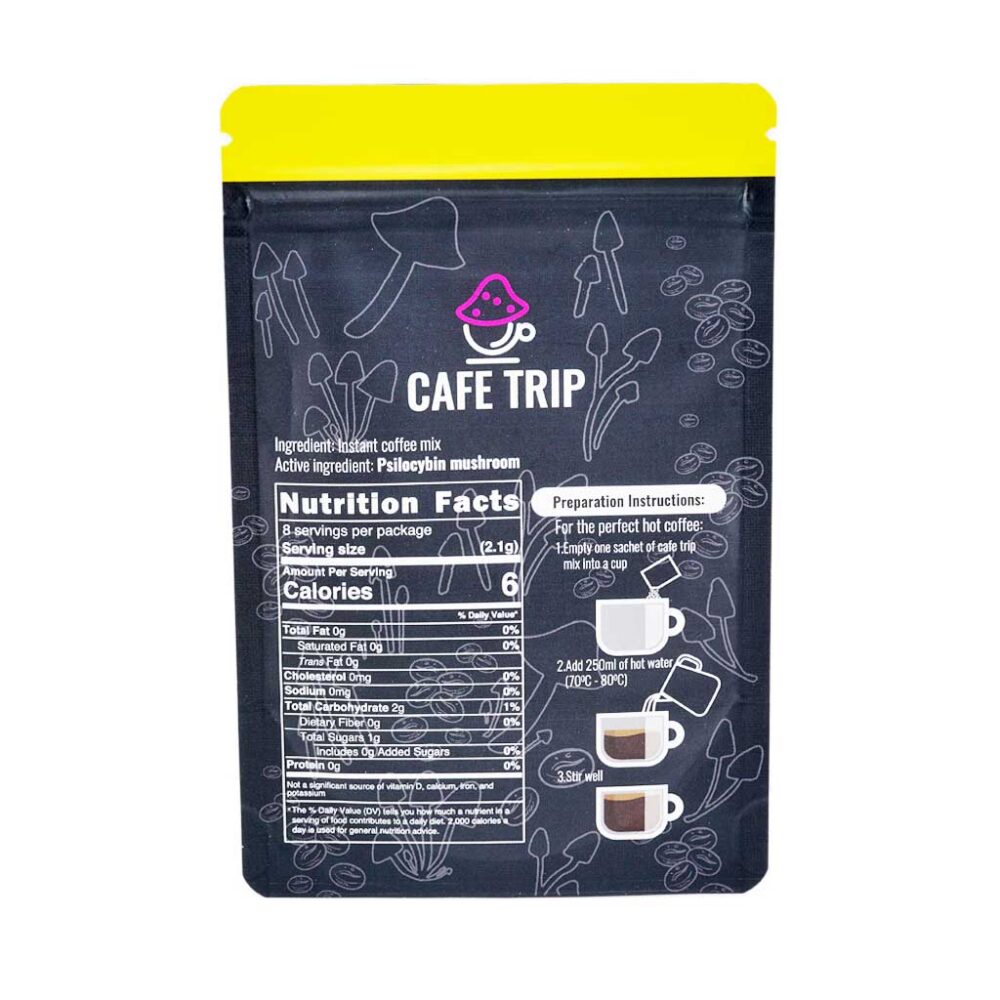
Creating tasty psychedelic gummies is not as simple as dumping mushroom powder into a candy mold. Psilocybin oxidizes under heat and light, and its bitterness can break through even strong fruit flavors if the formulation is wrong. Good brands use low-temperature infusion techniques and natural flavorings to keep the compound stable and the taste pleasant. Sour apple, berry, and citrus are common choices because their acidity helps mask the alkaloid profile.
I have tried gummies from several brands, and the difference between a well-made product and a sloppy one is night and day. The best ones have a clean, fruity taste with only a faint herbal undertone. The worst ones taste like a medicine cabinet mixed with a cheap lollipop. That gap is narrowing as more producers invest in third-party testing and recipe refinement.
Flavor is not just a luxury. It affects how people approach the experience. If you dread the taste, you might rush the dose or avoid it altogether. If the gummy is genuinely enjoyable, you can take your time, savor the moment, and set a positive intention. That psychological foundation influences the entire trip.
Microdosing and Daily Use
The rise of microdosing has pushed demand for consistent, low-dose products. A standard microdose is about one-tenth to one-twentieth of a recreational dose, usually taken every three or four days. At that level, the effects are sub-perceptual, meaning you do not feel high, but users often report improved focus, mood, and creativity.
Gummies are ideal for microdosing because they are easy to cut or buy in pre-portioned pieces. Some brands now sell gummies with exactly 0.1 grams of mushroom material each, which removes the need for a scale or guesswork. For people using psilocybin for anxiety relief or cognitive enhancement, that precision is worth paying for.
I have a friend who microdoses before long writing sessions. He takes a single gummy with his morning coffee and says it helps him stay in flow without the jitteriness of caffeine alone. I have another friend who uses them to manage social anxiety. She says the effect is subtle but real, like the volume on her inner critic gets turned down a notch. Neither of them would have bothered with the ritual of grinding mushrooms and weighing doses. The gummy makes it easy enough to fit into a morning routine.
Legal Status and Where Things Stand
The legal landscape around psilocybin is shifting, but it remains complicated. Oregon and Colorado have led the way in the United States. Oregon passed Measure 109 in 2020, creating a regulated framework for psilocybin therapy. Colorado followed with Proposition 122 in 2022, which decriminalized personal use and allowed for regulated access. Denver decriminalized psilocybin possession in 2019, and Oakland did the same earlier that year.
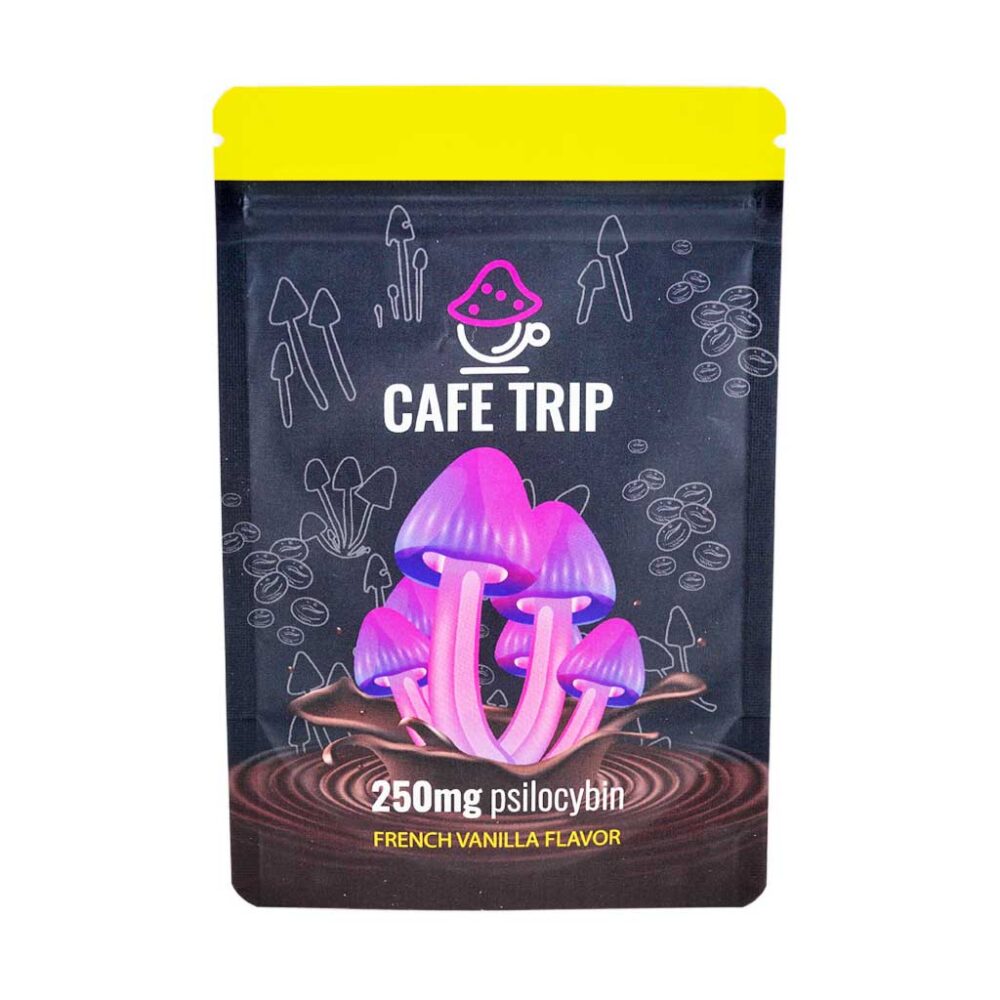
Despite these local changes, psilocybin remains a Schedule I substance under federal law. That means any product containing it, including tasty psychedelic gummies, is technically illegal at the federal level. Enforcement varies widely. In cities where local laws have deprioritized prosecution, a vibrant market has emerged. But the gray area creates real risks around quality control and legal exposure.
For consumers, this means due diligence is essential. A gummy sold at a storefront in a permissive city might be made with care and tested for potency and contaminants. A gummy bought from an unverified online source might contain research chemicals, incorrect doses, or harmful additives. Third-party testing is one signal of a responsible producer, but it is not a guarantee. Customer reviews can help, but they are not a substitute for lab analysis.
Therapeutic Use and Harm Reduction
The therapeutic potential of psilocybin is well documented at this point. Studies at Johns Hopkins, NYU, and Imperial College London have shown that psilocybin-assisted therapy can help with depression, anxiety, addiction, and end-of-life distress. The FDA has granted breakthrough therapy status to psilocybin for major depressive disorder, and clinical trials are moving through the pipeline.
But therapy is not the same as recreation, and the two contexts require different approaches to set and setting. In a therapeutic session, the dosage is carefully calibrated, the environment is controlled, and a trained facilitator is present. With a gummy bought from a shop or a friend, none of those safeguards may be in place. That is where harm reduction becomes critical.
I always tell people new to psychedelics to start low and go slow. A single gummy at a standard dose is a reasonable place to begin. Wait at least an hour before considering more. Have a sober friend nearby if you are trying a full dose. Know that the experience can last four to six hours, and that your mental state before you take it will shape the journey. Those are not warnings. They are just the basic respect that a powerful compound deserves.
What to Look for in a Brand
Not all gummies are created equal. Here are a few things I have learned to check before buying:
- Does the brand publish third-party lab results? If not, ask why.
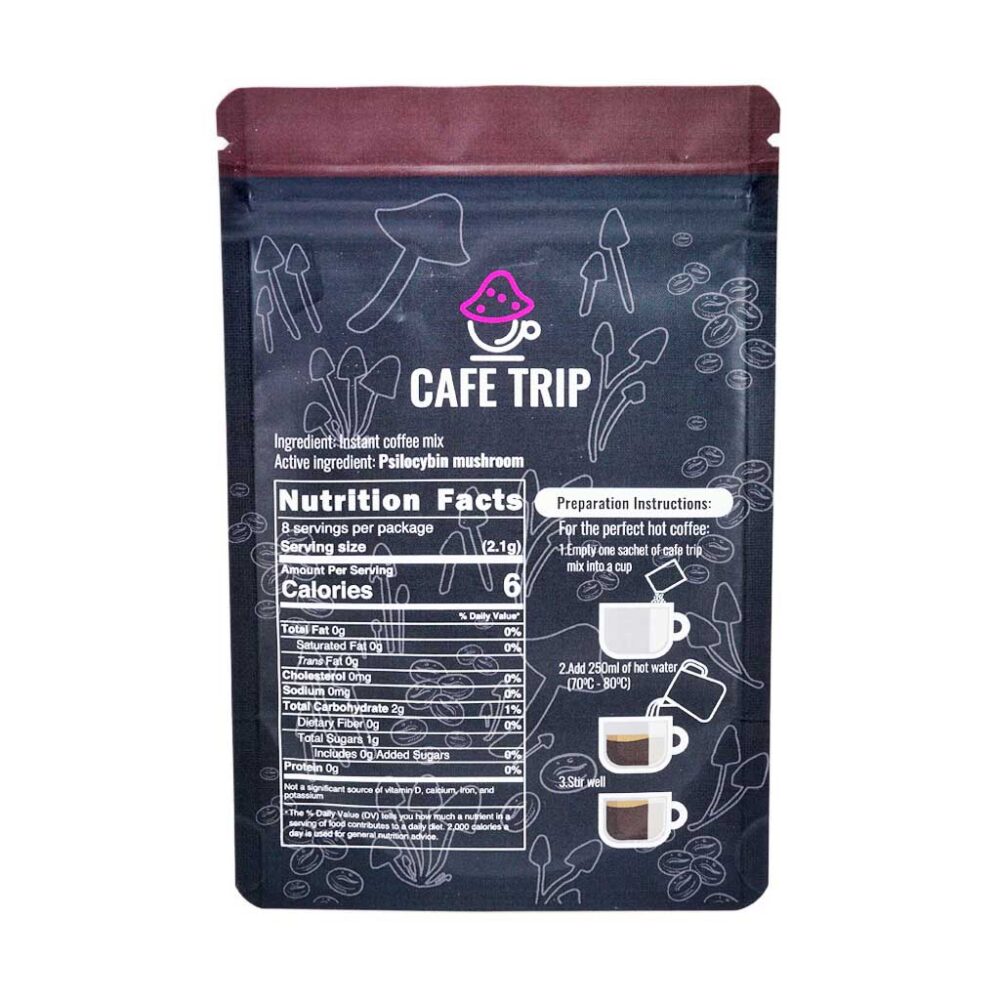
- What is the stated potency per gummy? Look for a specific milligram or gram equivalent, not vague language like "one serving."
- What ingredients are used? Avoid artificial colors or sweeteners if you can. Natural flavors tend to work better with the psilocybin profile.
- How does the brand handle storage and shipping? Psilocybin degrades in heat and light. A company that ships in insulated packaging with a cold pack is likely paying attention.
- What do customer reviews say about taste and effect? Look for patterns, not isolated complaints.
I have had good experiences with smaller, craft-oriented brands that treat their product with the same care a chocolatier would. I have also had disappointing gummies from larger operations that clearly prioritized scale over quality. The best advice I can give is to read the reviews, trust your nose, and if a gummy tastes like chemicals, do not eat the rest.
The Future of Psychedelic Edibles
As more states move toward legalization, the quality and variety of psilocybin edibles will only improve. I expect to see more precisely formulated gummies, more interesting flavor combinations, and better integration with therapeutic protocols. The days of choking down acrid mushroom powder are ending, and that is a good thing for everyone who stands to benefit from these compounds.
Tasty psychedelic gummies are not a gimmick. They are a practical, thoughtful delivery system that lowers the barrier to entry and improves the experience for veterans and newcomers alike. The taste matters because the ritual matters. And if a gummy can make that ritual a little more pleasant, a little more precise, and a little more safe, then it is doing important work.